
My Journey from Pantone Swatch Books to UX: How IxDF Helped Me Expand My Design Career
For most of my life, I believed that changing careers meant leaving your current job and starting somewhere completely new. What I have learned over time is that career transformation does not always require a dramatic leap. Sometimes it happens gradually within the role you already have, through continuous learning, curiosity, and the willingness to evolve.
My learning journey with IxDF (Interaction Design Foundation) has helped me reshape my role, strengthen my skills, and develop the confidence to move further into UX design. What began as a digital marketing design role has gradually transformed into something much more research driven and strategic. Along the way, I have discovered new tools, new methods, and a new professional direction.
This is my journey from Pantone swatch books to UX design.
Humble Beginnings in North Queensland
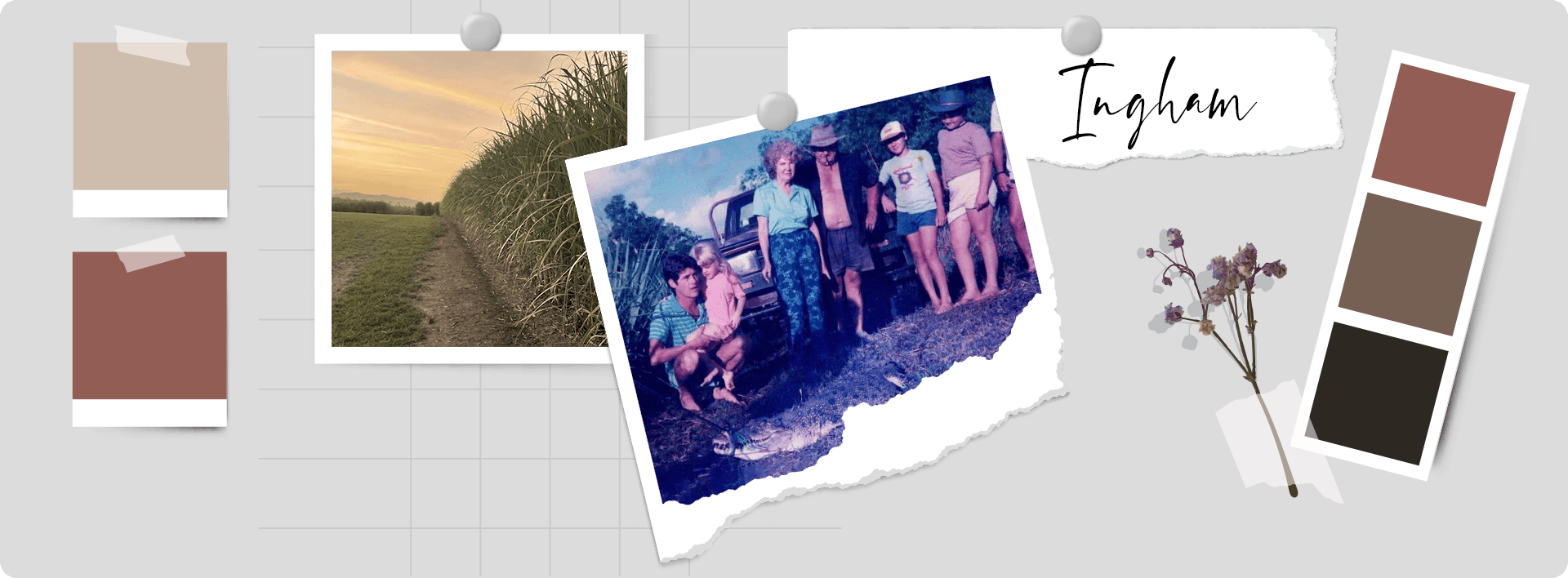
I grew up in the small town of Ingham in North Queensland, Australia. My childhood was spent outdoors fishing, running through cane farms, and exploring the natural world. My dad once even brought home small crocodiles from the river (with rope around their mouths, don’t worry!) and had them roaming in our backyard. Life was adventurous and full of curiosity.
At school, my favourite subjects were Art, Graphics, Physics, and Maths. Creativity and problem solving naturally appealed to me. When I was 15 years old, I completed a week of work experience at an advertising agency in Brisbane. That single week changed everything.
From that moment on, I knew I wanted to pursue a career in design and advertising. Knowing what I wanted to do from such a young age had both advantages and disadvantages. On the positive side, I had a clear direction and could start building relevant skills early in my education. My goal pushed me through challenges and setbacks.
However, the reality of working in design was sometimes very different from what I imagined. One of my first client briefs in my hometown involved designing a logo for a refrigeration company using an “ice snow” style font. It was not exactly the glamorous creative work I had imagined when I first fell in love with advertising.
Still, every experience was part of the learning journey.
Becoming a Digital Nomad Designer
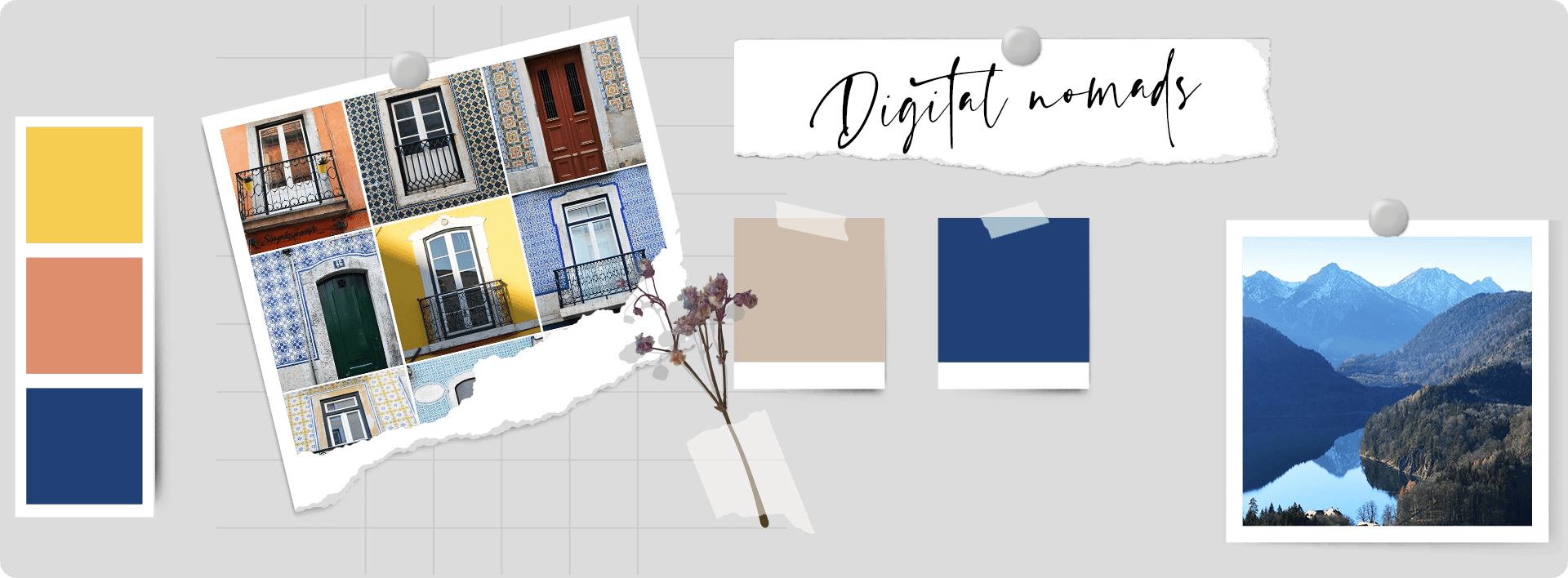
I have always been curious about the world and eager for adventure. At one point in my life, my partner and I made a bold decision. We sold all of our belongings and became digital nomads.
For twelve months we travelled around Europe while designing websites for clients. Running our own small design business allowed us to work from anywhere while exploring new places and cultures. It was an incredible experience that gave us freedom and perspective.
But designing websites alone was not enough for me. I wanted to understand more about the deeper processes behind exceptional digital products. I wanted to learn more about user experience and the research that informs great design decisions.
Discovering UX Design
During my maternity leave, I completed a UX Academy program. The course provided strong foundations in UX design and helped me build a portfolio with three case studies.
Despite completing the program and preparing a carefully crafted portfolio, I found it surprisingly difficult to land a UX role. I went through many interview processes and often reached the final stages. More than once I was told I was in the top three candidates, but I narrowly missed out. After a while, the rejections started to feel discouraging.
Eventually I was made redundant from a leadership role. At the time it felt like a setback, but it also created an opportunity to pivot toward the UX career I had been aiming for.
The role I accepted next was technically a marketing design position rather than a UX role. However, something interesting happened over time. The position gradually evolved.
How My Role Began to Change
Initially, my job focused heavily on digital marketing design. However, there were opportunities to conduct quantitative research through A/B testing and analyse behavioural data using Google Analytics 4.
Those opportunities sparked something for me. I became increasingly interested in understanding user behaviour and using data to guide design decisions.
Over time, my responsibilities began to shift. While I still work as a UI designer, my role has gradually become more research focused. Today I conduct activities such as:
Surveys
Usability testing
Unmoderated think aloud testing
Card sorting
Concept testing
Campaign testing
These research methods help validate design decisions and replace guesswork with real user insights.
This transition would not have been possible without continued learning. That is where IxDF played a major role.
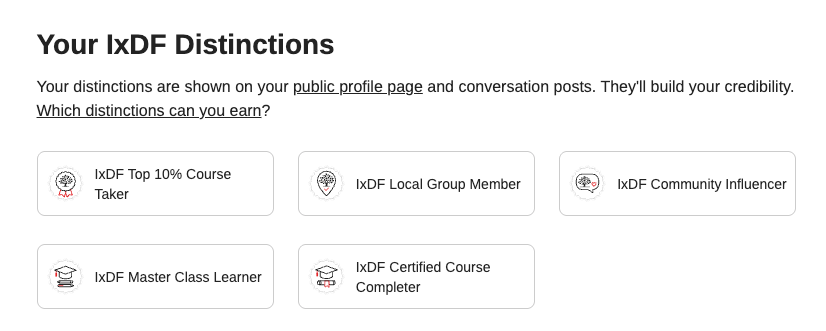
Why I Joined IxDF
When I began looking for ways to deepen my UX knowledge, I spent time researching various learning platforms. IxDF stood out because of the depth and quality of its courses.
The course that immediately caught my attention was AI for Designers. I was excited by the idea of learning how artificial intelligence tools could support different stages of the design process.
I also encouraged the rest of my design team to evaluate IxDF as a potential training platform for our company. Many organisations have training budgets available for professional development, and it is worth asking whether learning platforms like IxDF can be included.
My team supported the idea and I began my IxDF learning journey. Thank you wonderful teammates (you know you are!)
Courses I Completed in the First Six Months
Within my first six months on the platform, I completed three courses that significantly expanded my skills.
UX Management: Strategy and Tactics
AI for Designers
Accessibility: How to Design for All
Each course contributed something different to my growth as a designer.
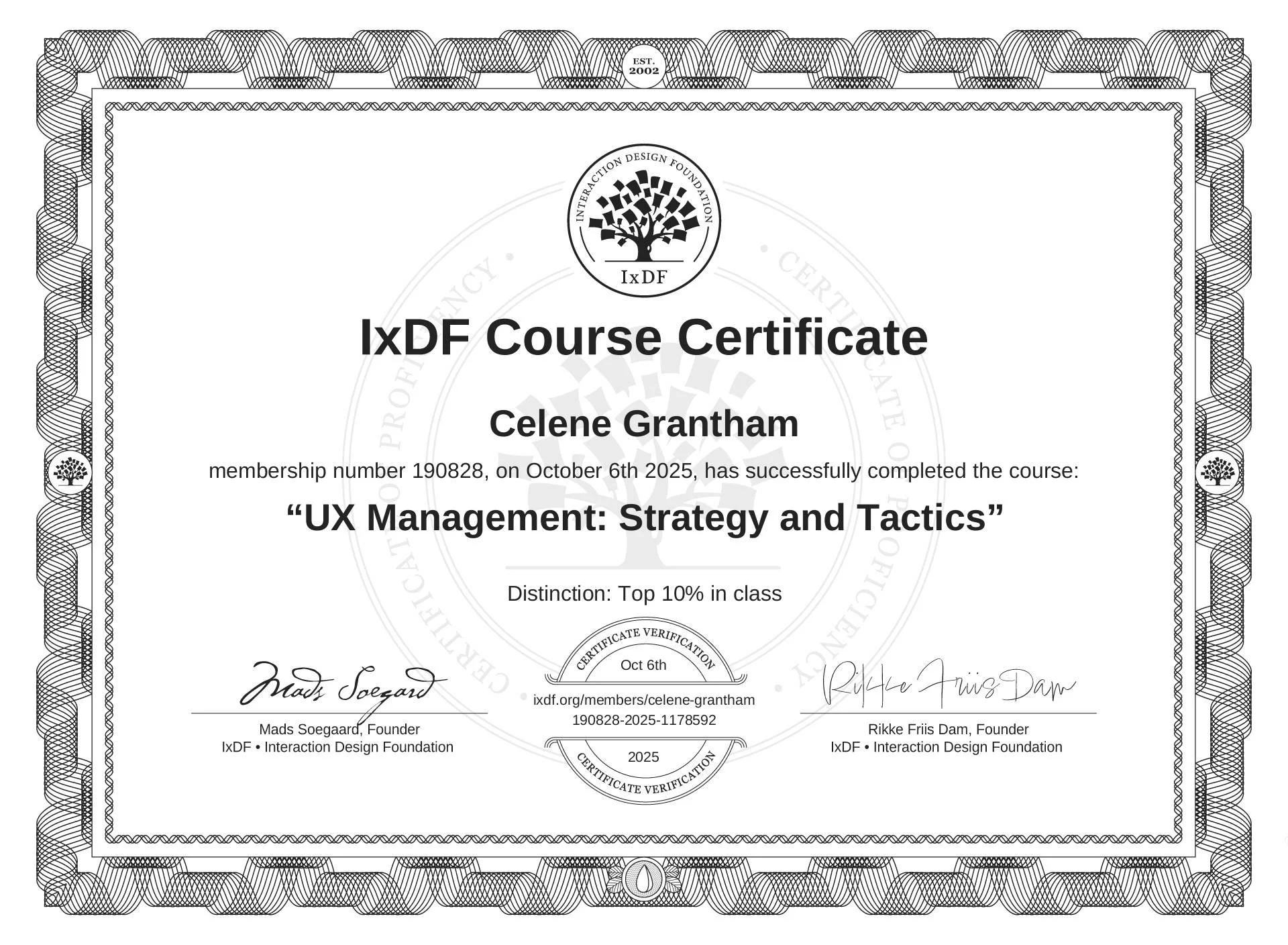
UX Management: Strategy and Tactics
This course was one of the most valuable for my leadership development. I would recommend it to anyone interested in leading a UX team or helping their organisation adopt stronger UX practices.
One particularly useful activity involved conducting a UX maturity scorecard. This framework allows you to evaluate how well UX is integrated within an organisation. It can also be used as a benchmark over time to measure progress as UX practices mature.
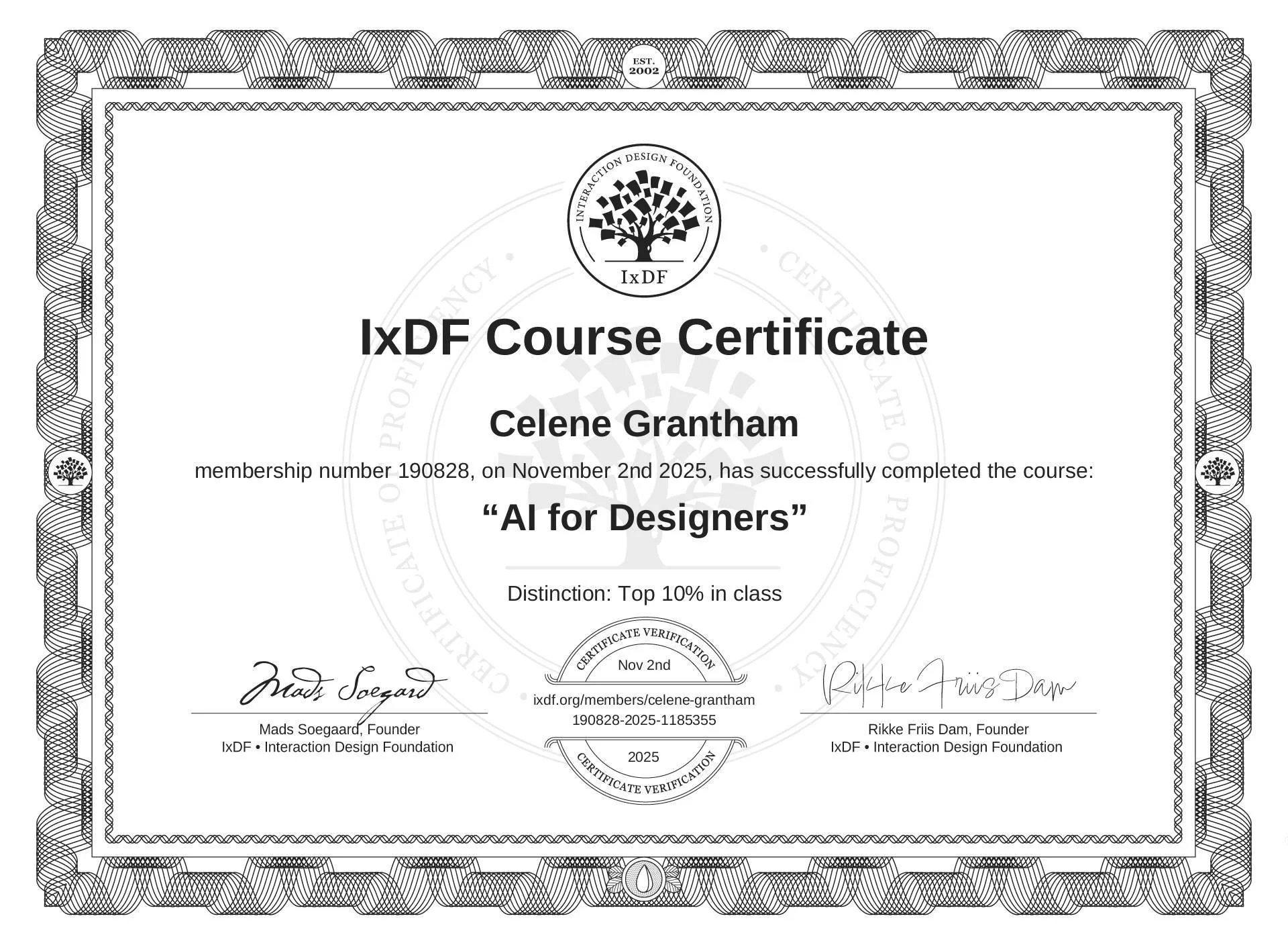
AI for Designers
The AI for Designers course introduced practical ways to integrate AI tools into the design workflow.
For example, tools like Claude can support the early stages of the design process:
Empathise
Exploring the problem space and identifying user needs.
Define
Clarifying the core problem and understanding how it affects users.
Ideate
Generating ideas and exploring potential solutions.
AI tools can also assist with icon generation, style systems, and concept exploration. SVG code generated by AI can be imported directly into Figma and refined further.
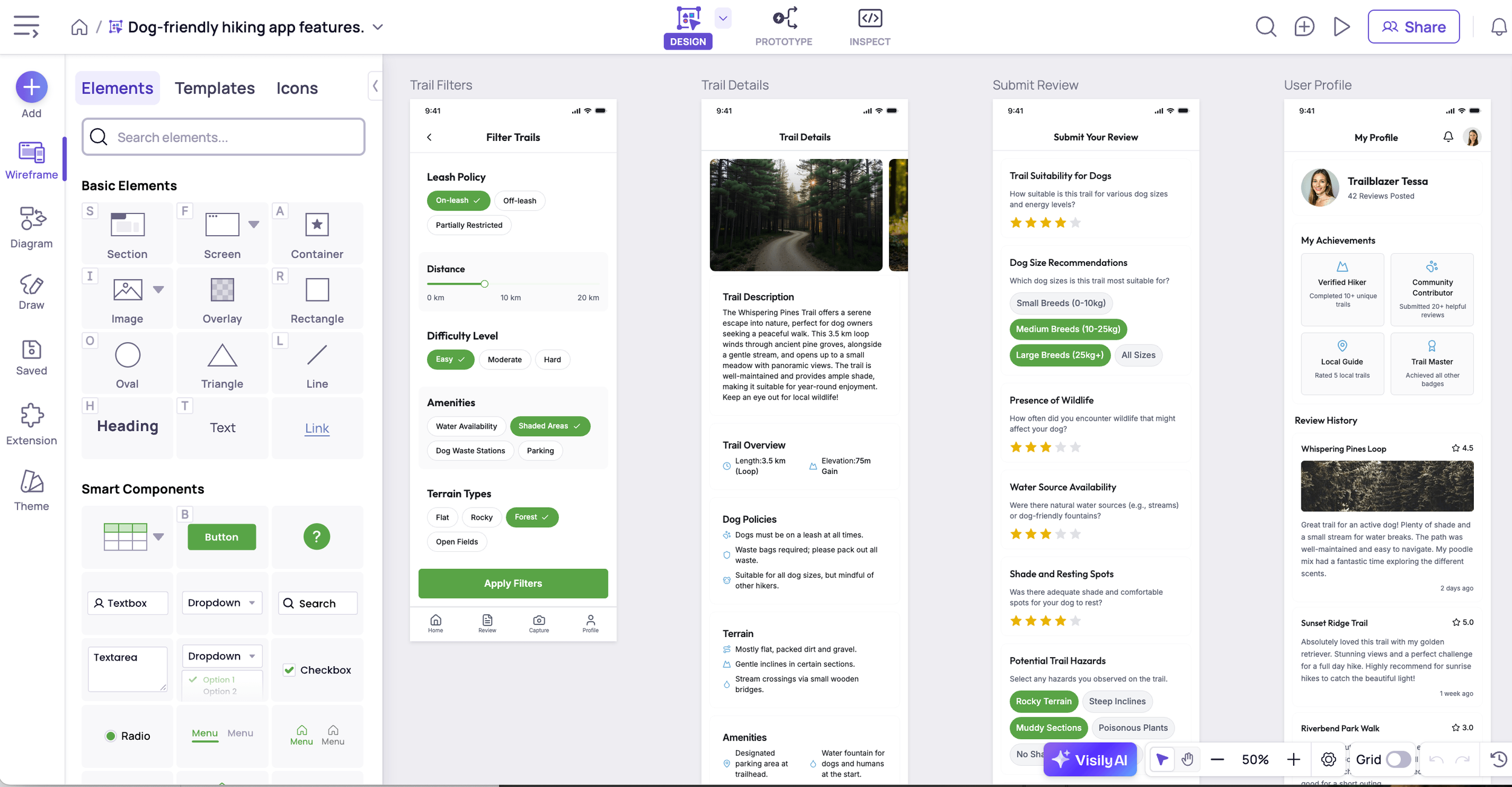
Tools like Visily can quickly generate UI concepts based on text prompts, while Figma allows designers to refine, organise, and animate the final interface components.
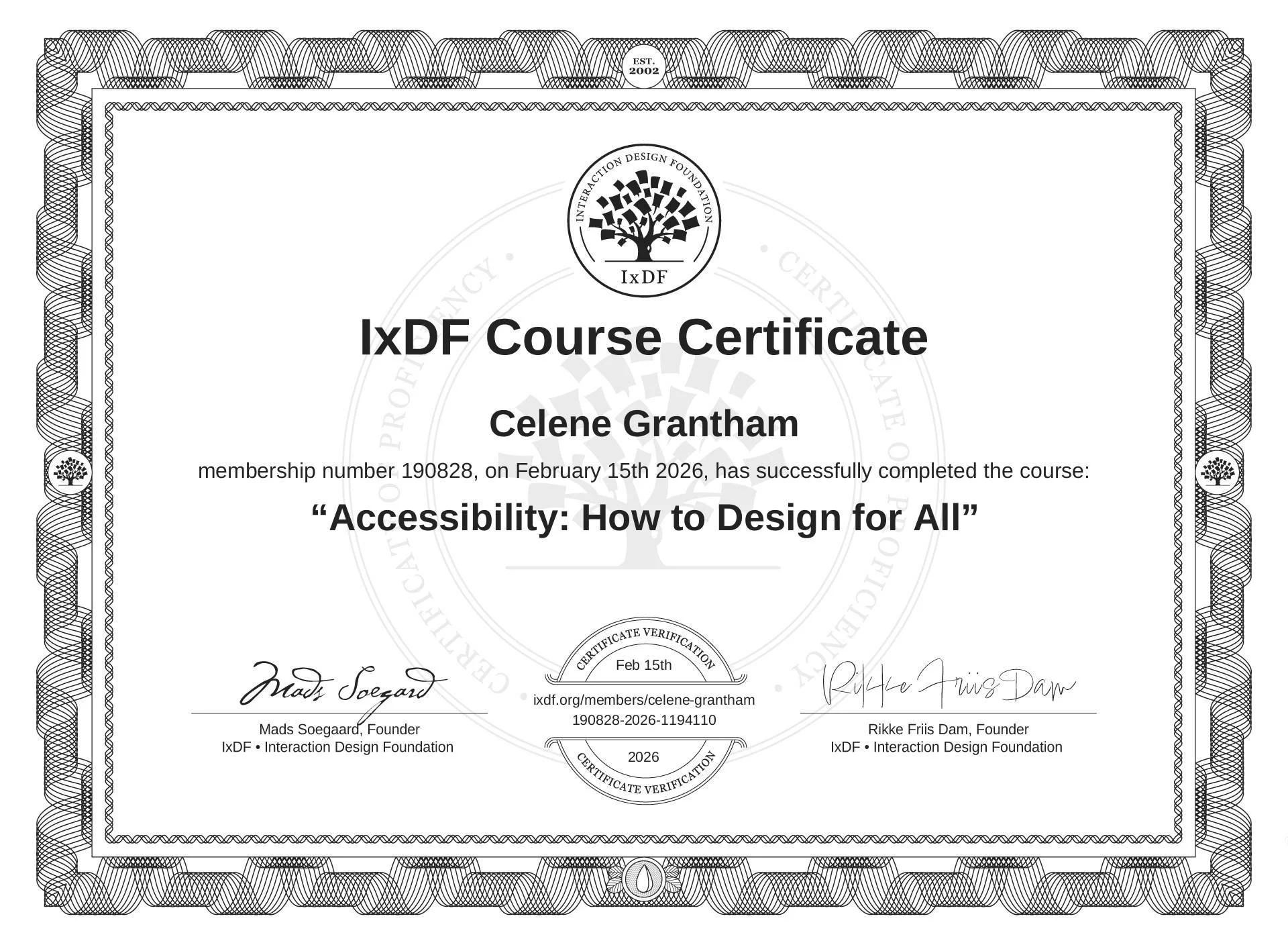
Accessibility: How to Design for All
Accessibility is one of the most practical and impactful areas of UX design. This course reinforced the importance of designing inclusive experiences that work for everyone.
Accessibility considerations improve usability for all users, not only those with disabilities. Applying these principles has made my design process more thoughtful and user centred.
Courses I Am Currently Exploring
My learning journey is ongoing. I am currently enrolled in several additional courses including:
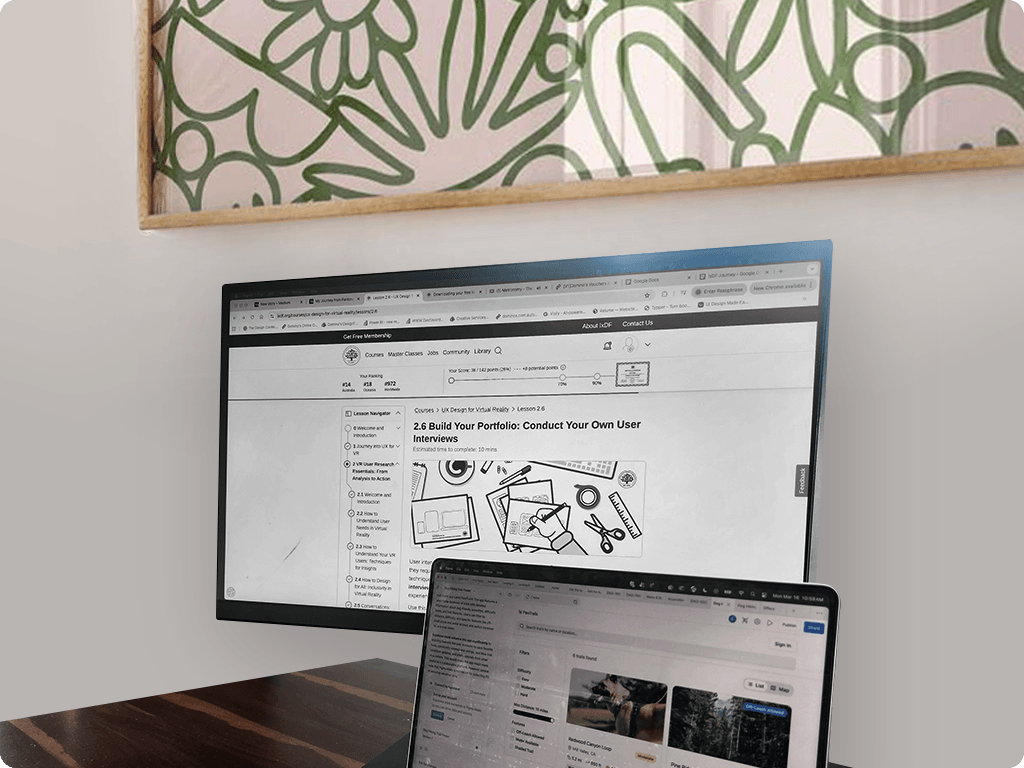
UX Design for Virtual Reality
UX Design for Augmented Reality
Agile Methods for UX Design
Data Driven Design: Quantitative Research for UX
The virtual reality course has been particularly exciting because it opens up new creative possibilities for immersive experiences.
My Learning Goals
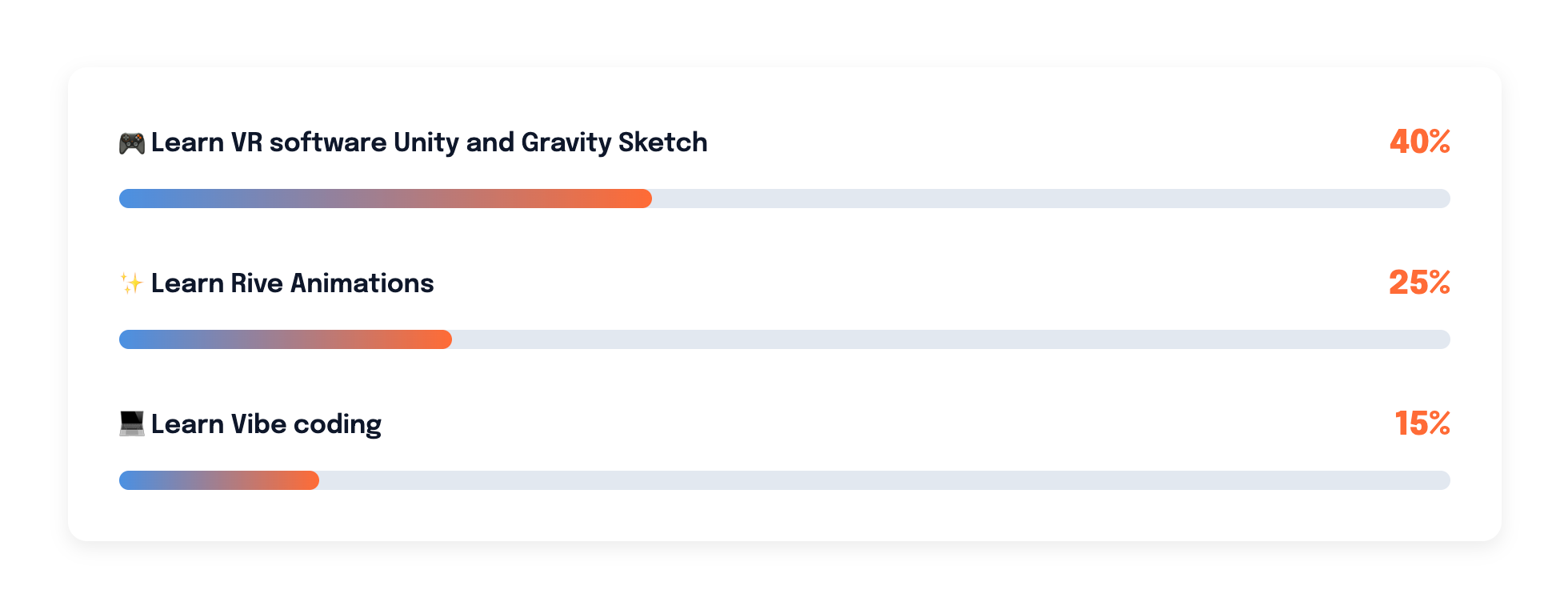
Looking ahead, I want to expand my technical and creative skills even further. Some of my goals include:
Learning VR software such as Unity and Gravity Sketch
Exploring animation tools like Rive
Experimenting with emerging development approaches such as vibe coding
I am also working on a VR experience for my portfolio and developing ideas for my own app.
Outside of work, I have a few lighter passion projects too, including building a herb garden at home.
Lessons from My Journey
If there is one lesson my experience has taught me, it is this:
You do not always need to change companies to change your career.
Sometimes the most powerful shift happens within the role you already have. By being open with mentors and colleagues about your interests, you can often shape your responsibilities in ways that align with both your goals and the organisation’s needs.
Continuous learning plays a huge role in that process. Platforms like IxDF make it possible to develop new competencies, strengthen existing skills, and gain the confidence needed to take on new challenges.
My role started as a digital marketing design position. Today it includes user research, strategy and UX Leadership capabilities I did not have before.
And the journey is still evolving.
Final Thoughts
If you are trying to transition into UX and do not yet have the experience required for a dedicated role, do not give up. The right opportunities often appear when you least expect them.
Keep learning. Keep experimenting. Keep building your skills.
Whether your goal is to reshape your current role or eventually lead a UX team, investing in your knowledge will always open new doors.
For me, the journey from Pantone swatch books to UX design has been full of twists and turns. IxDF has played a key role in helping me grow along the way. Stay tuned!